March 28, 2026
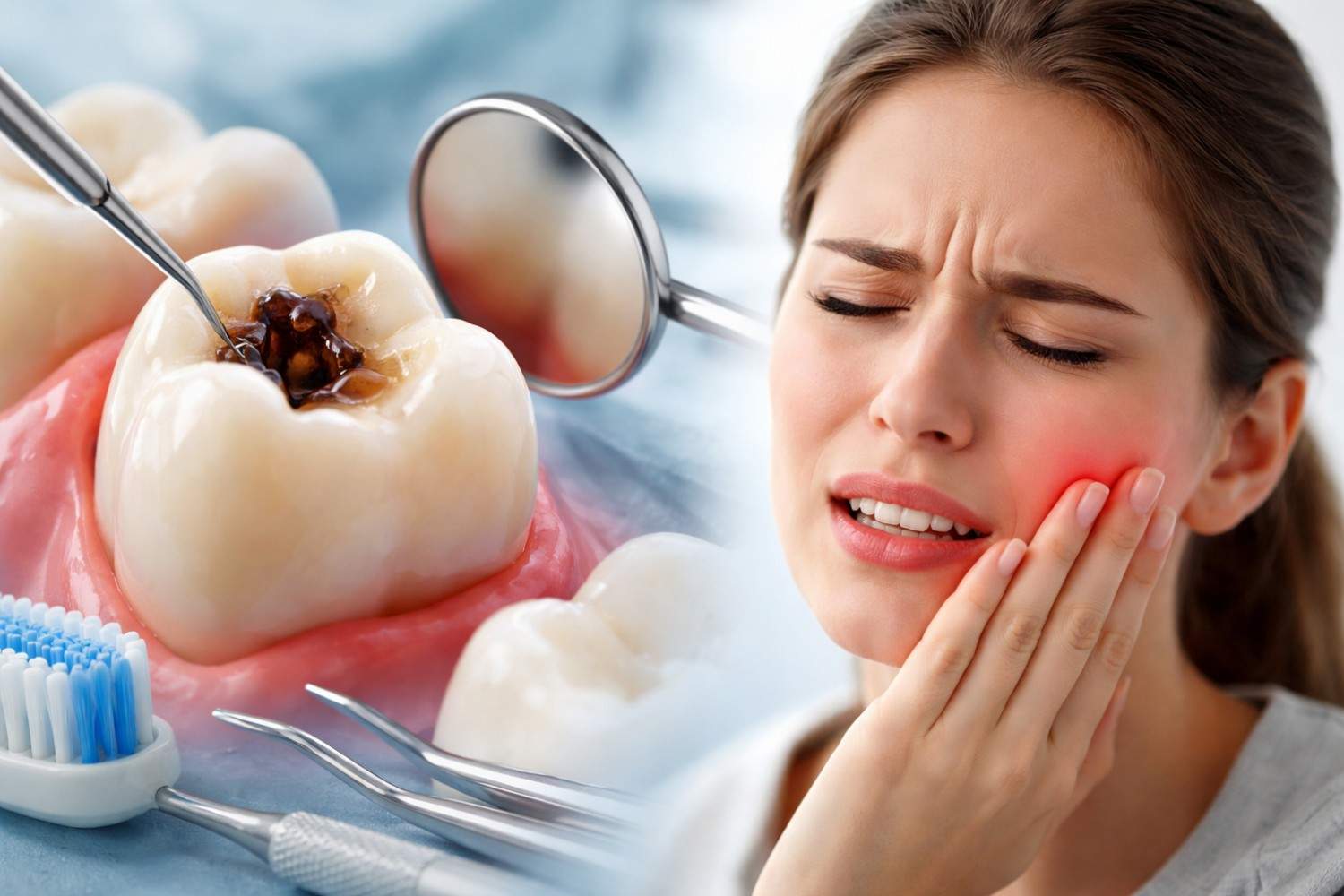
There is nothing quite as unsettling as enjoying a meal when suddenly a sharp shock stops you in your tracks. You wonder immediately why my tooth hurts when I bite down because the pain feels unexpected and intense. This specific type of discomfort is more than just temporary sensitivity. When tooth pain when biting occurs, it often signals that your tooth structure or surrounding gums are under significant stress. Ignoring these signs can lead to bigger problems over time. You need to understand the root cause to find real relief. This comprehensive guide explores every potential reason your tooth hurts when I bite, from hidden cracks to infections. We will walk you through safe home care, warning signs, and exactly when professional treatment becomes necessary for your oral health.
Tooth pain when biting is not just a minor inconvenience. It is your body’s signal that something requires evaluation. Understanding why this happens helps you take appropriate action without delay.
Biting Pain Signals Underlying Issues: When pressure from chewing triggers pain, it often means a crack, infection, or structural problem is aggravating sensitive tooth tissues. Ignoring tooth hurts when I bite symptoms can allow minor issues to become major problems.
Location Matters for Diagnosis: Pain in a back tooth hurts when I bite may indicate different causes than front tooth pain when biting. Molars bear more chewing force, while front teeth are more prone to trauma.
Pain Type Guides Treatment: Sharp pain when biting often points to cracks or high fillings. Dull, throbbing pain may suggest infection. Understanding these differences helps you communicate effectively with your dentist.
Timing Provides Clues: Pain when releasing a bite is a classic sign of cracked tooth syndrome. Pain that lingers after chewing may indicate pulp inflammation. These details matter for accurate diagnosis.
Recognizing these key considerations ensures you approach tooth pain when pressure is applied with the right urgency and information.
Tooth pain when chewing food rarely happens without a reason. Understanding the underlying cause is the first step toward effective treatment. Below are the most frequent culprits behind pain when putting pressure on tooth structures.
Cracked Tooth Syndrome: A hairline fracture in a tooth may not be visible to the eye but can cause sharp pain when biting down on tooth surfaces. The pain often appears when you release the bite, as the crack flexes and irritates the inner pulp. This is a leading cause of tooth pain when releasing a bite.
Tooth Decay and Cavities: When decay penetrates the enamel and reaches the softer dentin layer, pressure from chewing can trigger discomfort. Cavity pain when biting is often accompanied by sensitivity to sweets or temperature changes. Large cavities can trap food, creating pressure pain when biting tooth areas.
Dental Abscess or Infection: A bacterial infection at the tooth root can cause throbbing tooth infection pain when chewing. This is often paired with swelling, fever, or a bad taste in the mouth, and requires urgent care. Abscesses create pressure against the root, making tooth hurts when I press on it a common complaint.
Loose or Damaged Fillings and Crowns: Older restorations can weaken, crack, or become loose. When this happens, pressure from biting reaches sensitive tooth structures underneath, causing one tooth to hurt when biting scenarios. High filling pain when biting occurs when a restoration sits slightly too tall.
Gum Disease and Recession: Periodontitis or gingival recession exposes tooth roots, which lack protective enamel. This exposure causes pressure pain when biting tooth surfaces near the gumline. Gum infection around tooth pain often includes bleeding, swelling, or bad breath.
TMJ Disorder and Bruxism: Chronic clenching or grinding wears down enamel and stresses tooth roots. This can lead to generalized tooth sensitivity when biting, especially upon waking. Jaw joint issues may also cause clicking or popping alongside tooth pain when chewing.
Sinus Pressure: The roots of upper back teeth sit close to the sinus cavities. Congestion or sinus infection can create referred pain that feels like tooth pain when chewing, even when the teeth themselves are healthy. This typically affects upper molars and premolars, not lower teeth.
Not all tooth pain feels the same. The type, timing, and triggers of your discomfort provide valuable clues about the underlying issue. Use this table to match your symptoms with likely causes. This table maps common pain descriptions to probable causes and recommended next steps.
Pain Type | Likely Cause | Key Clue | Action |
Sharp on release | Cracked tooth | Pain stops after releasing bite | Avoid chewing; see dentist |
Dull ache + swelling | Dental abscess | Fever, bad taste, gum swelling | Seek urgent care |
Pressure-only pain | Dentin exposure | No hot/cold sensitivity | Desensitizing toothpaste; exam |
Upper teeth + congestion | Sinus pressure | Nasal symptoms present | Treat sinus; dental check if persists |
Pain after filling | High bite | Tooth feels “taller” | Return for bite adjustment |
Generalized sensitivity | Bruxism/gum recession | Jaw soreness, worn enamel | Night guard; improve hygiene |
Pain + visible hole | Cavity/decay | Sensitivity to sweets/temp | Schedule filling promptly |
Where you feel pain when biting on a tooth provides important diagnostic clues. Different teeth face different stresses and are prone to specific issues.
Molars bear the brunt of chewing force, making them prone to cracks, large cavities, and abscesses. Back molar hurts when I bite symptoms often indicate:
Front teeth are more exposed to trauma and wear. Pain here may signal:
When pain isolates to a single tooth, it often points to a localized issue:
Understanding location-specific patterns helps you describe symptoms accurately to your dentist, speeding up diagnosis and treatment.
Many patients report tooth hurts when I bite but no cavity is found during a visual exam. This frustrating scenario has several plausible explanations that require professional diagnosis.
Hidden Cracks: Small fractures may not show on X-rays or visual inspection. Dentists use special lights, dyes, or bite tests to detect these subtle cracks that cause pain when biting on tooth surfaces.
Dentin Exposure Without Decay: Enamel erosion from acidic foods, aggressive brushing, or acid reflux can expose dentin without causing a cavity. This leads to tooth sensitivity when biting even when the tooth structure appears intact.
Referred Pain from Jaw or Sinus: Temporomandibular joint (TMJ) disorders or sinus inflammation can create pain that feels dental in origin. This explains pain when biting on a tooth but is not sensitive to cold scenarios.
Occlusal Trauma: An uneven bite can place excessive force on a single tooth, causing inflammation in the ligament that holds the tooth in place. This results in tooth hurts when biting but not all the time, depending on bite angle.
Early Pulp Inflammation: The inner pulp tissue can become irritated before decay is visible. This may cause pressure pain when biting tooth areas while temperature sensitivity remains absent.
If you experience these symptoms, do not assume the problem will resolve on its own. A dental professional can use diagnostic tools to identify the true source of your discomfort.
It is common to experience some tooth pain after filling placement or crown cementation. However, knowing the difference between normal adjustment and a complication is essential.
Normal Post-Procedure Sensitivity: Mild discomfort for a few days after dental work is typical. The tooth and surrounding tissues need time to settle. This usually improves with over-the-counter pain relief and avoiding hard foods on that side.
High Bite or Improper Fit: If a filling or crown is slightly too tall, it bears excessive force when you bite. This causes sharp pain when biting down on tooth surfaces and can lead to further irritation if not adjusted. High filling pain when biting is easily corrected with a quick bite adjustment.
Pulp Irritation: Deep fillings can temporarily irritate the tooth pulp. If sensitivity persists beyond two weeks or worsens, it may indicate the need for further treatment like a root canal.
Loose Restoration: A filling or crown that has not fully bonded can shift under pressure, causing pain when chewing on tooth areas. This requires prompt re-cementation or replacement.
If your tooth hurts when biting after filling and the discomfort does not improve within a week, contact your dentist for an evaluation. Early adjustment prevents more complex problems.
While some tooth sensitivity can be managed temporarily at home, certain signs indicate the need for urgent professional care. Seek immediate dental attention if you experience:
These symptoms may indicate dental abscess pain when biting or a spreading infection that requires prompt treatment to prevent complications. When is tooth pain a dental emergency? When any of these red flags appear, do not wait.
Not all tooth pain when biting means you need a root canal, but certain signs suggest irreversible pulp damage. Understanding these indicators helps you prepare for your dental visit.
Persistent Throbbing Pain: Pain that lingers long after the stimulus is removed, especially if it wakes you at night, often signals pulp inflammation that cannot heal on its own.
Sensitivity to Heat: While cold sensitivity can be reversible, heat sensitivity that causes lingering pain often indicates advanced pulp damage.
Swelling or Gum Pimple: A small bump on the gum near a painful tooth (fistula) may drain pus and indicate an abscess requiring root canal therapy.
Pain When Releasing Bite: This classic cracked tooth symptom can progress to pulp involvement if the crack reaches the nerve.
Discoloration of the Tooth: A tooth that darkens after trauma may have a dead or dying pulp requiring treatment.
Does tooth pain when biting mean root canal? Not always, but if you notice these signs alongside biting pain, professional evaluation is essential to determine if root canal therapy is needed.
While waiting to see a dentist, these evidence-based steps can help manage tooth hurts when chewing food symptoms safely.
Important Safety Notes: Do not place aspirin directly on gums or teeth, as this can cause chemical burns. Avoid using sharp objects to probe the painful area. These temporary measures are not substitutes for professional diagnosis and treatment.
A dentist will use clinical examination, X-rays, and specialized tests to determine the exact cause of your tooth pain when chewing. Treatment is tailored to the underlying issue. This table outlines common causes and their corresponding professional solutions. This table matches common diagnoses with evidence-based dental interventions.
Cause | Diagnosis | Treatment | Timeline |
Cracked Tooth | Bite test, X-rays | Bonding, crown, or root canal | Days to weeks |
Cavity/Decay | Visual exam, X-rays | Filling, inlay, or crown | 1-2 visits |
Dental Abscess | Exam, X-rays, vitality test | Drainage, root canal, or extraction | Immediate relief; weeks to heal |
High Filling/Crown | Bite paper test | Bite adjustment or replacement | Same-day fix |
Gum Disease/Recession | Probing, X-rays | Scaling, root planing, or grafting | Weeks to months |
Sinus-Related Pain | Medical history, sinus eval | Sinus treatment; dental care if needed | As sinus resolves |
Preventing tooth pain when biting starts with proactive oral care and healthy habits. These strategies protect your teeth and gums from common causes of pressure-related discomfort.
Avoid Using Teeth as Tools: Never open packages or bite hard objects with your teeth. This prevents cracks and fractures that cause sharp pain when biting down on tooth surfaces.
Experiencing tooth hurts when I bite symptoms is your body’s signal that something needs attention. While temporary measures can provide short-term relief, lasting solutions require accurate diagnosis and professional care. Ignoring persistent discomfort risks worsening decay, infection, or tooth loss.
By understanding the common causes, recognizing warning signs, and taking proactive steps toward prevention, you protect your smile and your overall health. Regular dental visits, gentle oral hygiene, and prompt attention to new symptoms form the foundation of lifelong oral comfort.
If you are dealing with tooth pain when biting that does not resolve with home care, do not wait for the pain to intensify. Timely professional evaluation makes all the difference in preserving your tooth and restoring your comfort. For compassionate, expert dental care tailored to your needs, trust the experienced team at Vichare Dental Clinic. Their thorough diagnostics and personalized treatment plans help patients find lasting relief from tooth pain when biting and achieve optimal oral health.
Why does my tooth hurt when I bite down?
Tooth pain when biting typically occurs when pressure irritates exposed dentin, a cracked tooth structure, an infected pulp, or inflamed gum tissues. A dental professional can identify the exact cause through examination and imaging.
Why does my tooth hurt when I chew?
Chewing applies significant pressure to teeth. If a tooth has a crack, cavity, abscess, or high restoration, this pressure triggers pain. The specific sensation and timing help dentists diagnose the underlying issue.
What does it mean if one tooth hurts when I bite?
Pain isolated to a single tooth often indicates a localized issue such as a crack, cavity, loose restoration, or abscess. This warrants prompt evaluation to prevent the problem from worsening.
Can tooth pain when chewing be caused by sinus issues?
Yes. Sinus congestion or infection can create pressure on the roots of upper back teeth, causing pain when chewing that feels dental in origin. If dental causes are ruled out, consult a physician about sinus treatment.
Why does my tooth hurt when I bite but no cavity is visible?
Hidden cracks, dentin hypersensitivity, gum recession, or bite misalignment can cause pressure pain without visible decay. Specialized dental tests are often needed to diagnose these conditions.
Is sharp pain when biting on a tooth an emergency?
Sudden, severe pain accompanied by swelling, fever, or difficulty swallowing requires urgent dental care. For mild, intermittent discomfort, schedule an appointment within a few days.
What is tooth pain when releasing a bite?
Pain that occurs specifically when you release biting pressure is a classic sign of cracked tooth syndrome. The crack flexes open under pressure and irritates the pulp when released.
How can I tell if my tooth pain when biting is from grinding?
Pain from bruxism often affects multiple teeth, is worse upon waking, and may be paired with jaw soreness or headaches. A dentist can confirm grinding through wear patterns and discuss night guard options.
What should I do if my tooth hurts when biting after a filling?
Mild sensitivity for a few days is normal. If pain persists beyond a week, feels sharp, or the tooth feels “high,” return to your dentist for a bite adjustment or further evaluation.
Can gum infection around tooth pain be treated at home?
Temporary relief is possible with saltwater rinses and OTC pain relief, but gum infection around tooth pain often signals periodontitis or abscess that requires professional cleaning or treatment.
Does tooth pain when biting mean root canal?
Not always. Biting pain can stem from many causes. However, if pain is persistent, throbbing, or paired with swelling or heat sensitivity, root canal therapy may be necessary. Professional evaluation determines the right treatment.
When is tooth pain a dental emergency?
Tooth pain becomes an emergency when accompanied by facial swelling, fever, difficulty breathing or swallowing, or severe unrelenting pain. These signs indicate infection that could spread and require immediate care.
What to do if a tooth hurts when biting?
Rinse with warm salt water, avoid chewing on that side, use OTC pain relief if appropriate, and schedule a dental appointment promptly. Do not ignore persistent pain or attempt DIY fixes that could worsen the problem.

Copyright © 2026 Vichare Dental Clinic Panvel | All rights reserved
SEO & Management by DigiTeach Advertising Agency | Website Developed by Web Creators India