
Can You Get Dental Implants If You Have Gum Disease?
June 27, 2026
Research shows that untreated gum disease is one of the leading causes of tooth loss in adults. In many cases, patients assume that a history of periodontal disease automatically rules out dental implants. However, modern periodontal therapy and implant dentistry make successful treatment possible for many patients. Fortunately, losing teeth due to periodontal disease does not automatically prevent you from getting dental implants. With proper treatment and planning, many patients successfully restore their smiles with implant-supported restorations.
Losing a tooth to decay or injury can feel like a devastating blow to your smile and confidence. Dental implants offer a permanent and natural solution, but many patients worry that a history of oral health issues might disqualify them. If you are dealing with oral inflammation, you might be asking yourself, can you get dental implants if you have gum disease? The short answer is yes, but with an important condition. The infection must be fully treated and stabilized before any surgical procedure begins. This comprehensive guide explores the relationship between periodontal health and implant eligibility, explaining exactly what steps you need to take to achieve a successful outcome.
Can You Get Dental Implants If You Have Gum Disease? Quick Answer
Yes, you can get dental implants if you have gum disease, but the condition must be treated and stabilized first. Active periodontal disease increases the risk of implant failure, while healthy gums and adequate bone support significantly improve long-term implant success.
Why Healthy Gums Matter for Dental Implants
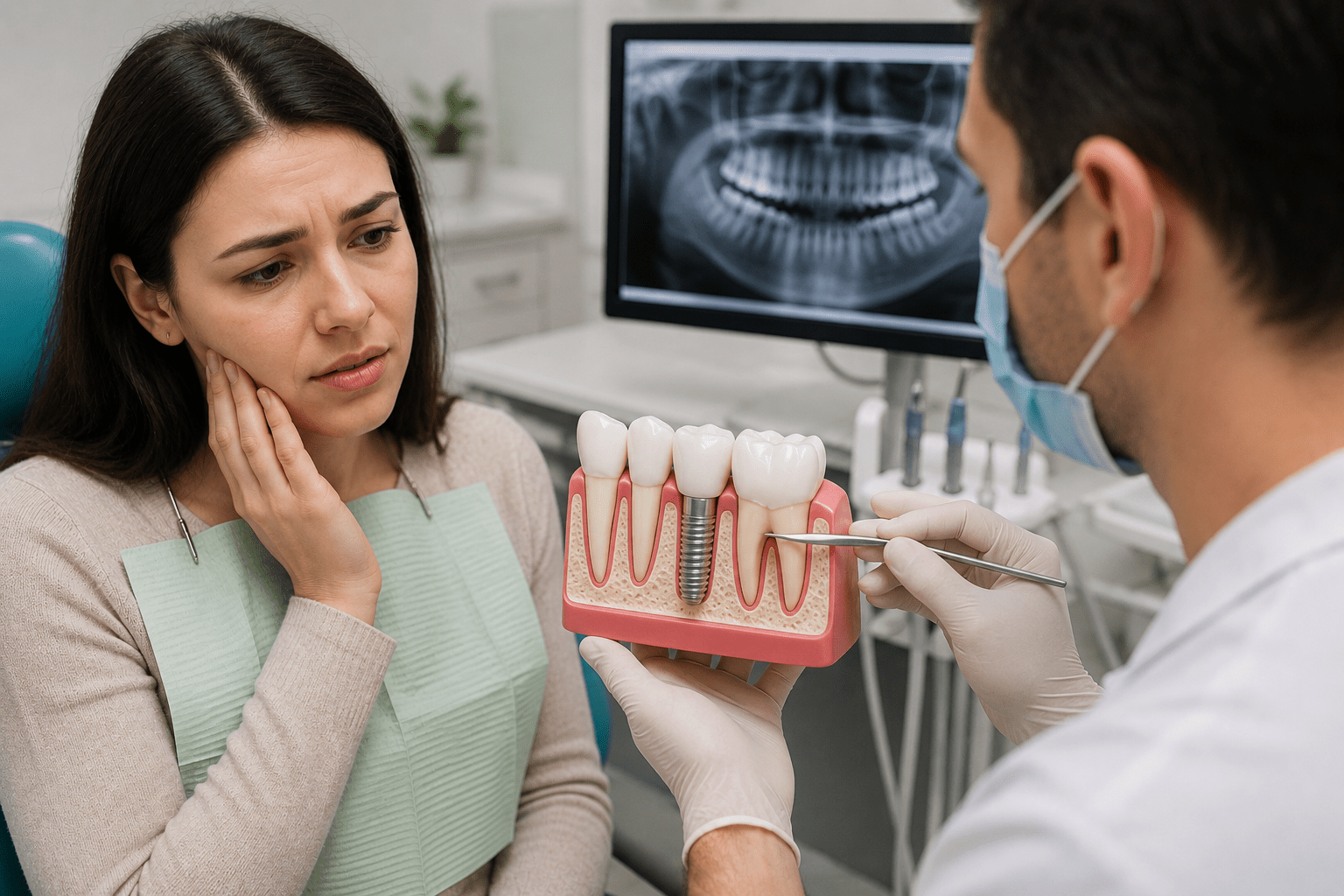
Dental implants are designed to replace missing teeth by anchoring a titanium post directly into your jawbone. This process relies on osseointegration, where the bone fuses with the implant to create a secure foundation. However, this foundation requires healthy gums and adequate bone density to succeed. Periodontal disease, commonly known as gum disease, is a bacterial infection that destroys the soft tissue and bone supporting your teeth. If you have gingivitis or advanced periodontitis, the bacterial load in your mouth is high. Placing an implant in an environment with an active gum infection compromises the healing process and jeopardizes the entire restoration.
Can You Get Dental Implants With Active Gum Disease?
The relationship between dental implants and gum disease is complex, but having a history of oral inflammation does not automatically disqualify you. The critical factor is whether the disease is currently active or fully managed. When evaluating dental implant eligibility, your dentist will assess the health of your soft tissues and the volume of your jawbone. Patients with well-managed periodontal disease can absolutely receive implants. However, if you are wondering if you can get implants with gum disease while it is still active, the answer is no. The infection must be resolved first to protect your investment.
Use this dental implant eligibility guide to understand how your current periodontal health affects your candidacy for restorative surgery.
Oral Health Status | Candidacy for Implants | Required Action |
Healthy Gums and Adequate Bone | Excellent candidate | Proceed directly to implant placement |
Mild Gingivitis | Good candidate with minor preparation | Professional cleaning and improved home hygiene |
Managed Periodontal Disease | Eligible after clearance | Ongoing maintenance and periodontal evaluation |
Active Periodontitis | Not eligible until treated | Comprehensive gum treatment and healing time |
Severe Bone Loss | Eligible with additional procedures | Bone grafting followed by implant placement |
Can Gum Disease Cause Dental Implant Failure?
Attempting to bypass periodontal therapy is a critical mistake. If you wonder what happens if you get dental implants with untreated gum disease, the outcomes are severe. Active bacteria from a gum infection can easily spread to the surgical site. This can lead to a condition called peri-implantitis, which is essentially gum disease around the implant. Peri-implantitis causes inflammation and bone loss around the titanium post, ultimately leading to dental implant failure. The implant will become loose and may need to be removed entirely. Therefore, treating the underlying infection is non-negotiable for a successful outcome.
Do You Need to Treat Gum Disease Before Getting Dental Implants?
If you are asking if I need to treat gum disease before dental implants, the answer is an absolute yes. Achieving dental implants after gum disease treatment requires a phased approach. Your dental team will focus on eliminating the infection and restoring the structural integrity of your mouth before considering surgery.
Follow this structured pathway for dental implants after periodontal treatment to ensure a stable foundation for your new teeth.
Treatment Phase | Clinical Procedures | Primary Goal |
Phase One: Infection Control | Scaling and root planing, antimicrobial therapy | Eliminate active bacteria and halt disease progression |
Phase Two: Tissue Healing | Regular monitoring, strict home care routine | Ensure healthy gums and absence of inflammation |
Phase Three: Bone Augmentation | Bone grafting procedures if volume is deficient | Rebuild jawbone to support the titanium post |
Phase Four: Implant Placement | Surgical insertion of the titanium implant | Establish a secure anchor for the new tooth |
Phase Five: Restoration | Attaching the abutment and custom crown | Restore full function and aesthetics |
How Bone Loss From Gum Disease Affects Dental Implants
Advanced oral infections often lead to significant bone loss. You might wonder can bone loss from gum disease affects dental implants, and the answer is yes. Without sufficient bone, the implant cannot fuse properly. Fortunately, modern dentistry offers solutions. Bone grafting is a common procedure where synthetic or natural bone material is placed in the deficient area. Over several months, your body regenerates new bone, creating a solid base for the implant.
For patients asking can severe gum disease affect dental implants, the severity of the disease dictates the complexity of the preparation. If you have experienced extensive tooth loss due to gum disease, you might need full arch rehabilitation. Fortunately, you can get full mouth dental implants with gum disease, provided the infection is completely eradicated and the bone is adequately grafted.
Factors That Affect Dental Implant Success
Certain lifestyle factors and anatomical conditions require special attention when planning an implant-supported restoration.
Smoking significantly impairs blood flow and delays healing. If you are wondering can smokers with gum disease get dental implants, it is important to know that smoking increases the risk of complications. Dentists strongly recommend quitting or significantly reducing smoking before and after surgery to improve the implant success rate.
Additionally, patients often ask what if I have receding gums and need implants. Receding gums can expose the implant margin, leading to aesthetic concerns and sensitivity. Your periodontist may recommend soft tissue grafting to thicken the gum tissue and ensure a natural, healthy appearance around the final crown.
What Is the Success Rate of Dental Implants After Gum Disease?
Dental implants can achieve high long-term success rates in patients with a history of gum disease when the condition is fully treated and controlled. Regular maintenance visits, excellent oral hygiene, and avoiding smoking significantly improve implant survival and reduce the risk of peri-implantitis.
Dental Implants After Gum Disease: What You Need to Know
Navigating the journey from periodontal disease to a fully restored smile requires expertise, patience, and a dedicated dental team. Understanding the critical link between oral infection and implant success empowers you to make informed decisions about your care. By prioritizing gum health first, you protect your investment and ensure your new teeth last a lifetime.
Looking for Dental Implants in Panvel?
When you are ready to address gum disease and explore your options for tooth replacement, Vichare Dental Clinic provides comprehensive, patient-focused care. Located in the heart of Old Panvel, the clinic specializes in advanced periodontal therapy, bone grafting, and precise dental implant placement. The experienced team understands the intricate relationship between gum health and implant success, ensuring every patient receives a customized treatment plan.
Whether you need to manage an active infection, rebuild lost bone, or place a final restoration, Vichare Dental Clinic offers a comfortable environment and transparent guidance. Patients from Old Panvel, New Panvel, and surrounding areas trust the clinic for its commitment to clinical excellence and long-term oral wellness.
Contact Vichare Dental Clinic today at +91 94220 26725 or +91 99220 31747 to schedule your comprehensive evaluation. Visit the clinic at Chatrapati Shivaji Maharaj Marg, Old Panvel, Navi Mumbai, 410206, or reach out via email at vicharedentalclinic@gmail.com. Take the first step toward a healthy, confident smile with a team that prioritizes your overall wellbeing.
FAQs About Dental Implants and Gum Disease
Can gum disease cause dental implant failure?
Yes, active periodontal infection can spread to the implant site, causing peri-implantitis, bone loss, and eventual dental implant failure if not properly managed.
Do I need healthy gums before getting dental implants?
Yes, healthy gums are essential. Active inflammation compromises healing and increases the risk of infection around the new implant.
Can periodontitis be treated before dental implants?
Absolutely. Periodontitis is treated through deep cleaning, antimicrobial therapy, and sometimes surgical intervention to eliminate the infection before implant surgery.
How long after gum disease treatment can I get implants?
The waiting period varies, but typically patients must demonstrate stable gum health for several months after completing periodontal therapy before implant placement.
Can bone loss from gum disease be reversed?
While natural bone does not grow back on its own, bone grafting procedures can successfully regenerate the necessary bone volume to support dental implants.
Are dental implants safe for patients with gum disease?
Yes, they are safe and highly successful, provided the patient completes comprehensive gum treatment and commits to strict lifelong oral hygiene maintenance.
Can dental implants help after tooth loss due to gum disease?
Yes, implants are an excellent solution for replacing missing teeth after periodontal disease, restoring both function and preventing further bone deterioration.
What if I have receding gums and need implants?
Receding gums can be addressed with soft tissue grafting before or during implant placement to ensure adequate coverage and a natural aesthetic result.
Can smokers with gum disease get dental implants?
Smokers can get implants, but smoking significantly increases the risk of failure. Dentists strongly recommend quitting to improve healing and long-term success.
Can gum disease come back after dental implants?
Yes. Patients with a history of periodontal disease remain at risk for peri-implantitis and should maintain regular dental visits and excellent oral hygiene.
How do dentists determine if you are a candidate for dental implants?
Your dentist evaluates gum health, bone density, medical history, and oral hygiene habits before recommending implant treatment.