April 25, 2026
A sudden, throbbing toothache that disrupts your sleep is rarely just a passing inconvenience. It often signals that the inner structure of your tooth is compromised and requires immediate professional attention. When decay or trauma reaches the sensitive core of a tooth, root canal treatment becomes the most reliable solution to eliminate pain, halt infection, and preserve your natural smile. Understanding exactly what this procedure involves, how it unfolds, and what to expect regarding pricing can transform anxiety into informed confidence.
This comprehensive guide breaks down every aspect of care, from early warning signs and clinical steps to transparent cost breakdowns and recovery guidelines.
Root canal treatment is a specialized dental procedure designed to save a tooth that has become severely infected or inflamed. Every tooth contains a central chamber called the pulp, which houses nerves, blood vessels, and connective tissue. When deep cavities, repeated dental work, cracks, or trauma allow bacteria to penetrate this chamber, the pulp becomes infected. If left untreated, the infection can spread to the surrounding bone, form an abscess, and ultimately lead to tooth loss.
The procedure focuses on removing the damaged pulp, thoroughly disinfecting the inner canals, and sealing the space with a biocompatible material. By eliminating the source of infection and protecting the remaining tooth structure, this treatment restores function and prevents the need for extraction. Preserving your natural tooth maintains proper bite alignment, supports jawbone health, and avoids the higher long term costs associated with replacements like implants or bridges.
Recognizing the early signs of pulp damage allows you to seek treatment before complications develop. Not every toothache requires this procedure, but specific symptoms strongly indicate that the inner nerve tissue is compromised. Prompt evaluation by a qualified dentist for root canal ensures accurate diagnosis and timely intervention.
Review this clinical symptom checklist to determine if your tooth pain requires immediate evaluation for root canal treatments.
Symptom | Underlying Cause | Recommended Action |
Persistent pain while chewing or applying pressure | Infection causing pressure buildup inside the rigid tooth structure | Schedule an examination to prevent abscess formation |
Lingering sensitivity to hot or cold temperatures | Compromised nerve response due to pulp inflammation | Avoid extreme temperatures and seek professional evaluation |
Visible darkening or graying of a single tooth | Internal bleeding or pulp necrosis following trauma or decay | Request diagnostic imaging to assess internal damage |
Swollen, tender, or bleeding gums near a specific tooth | Infection draining through the gum tissue or bone | Do not apply heat. Seek prompt dental care to control infection |
A small, pimple like bump on the gum line | Fistula formation allowing pus to drain from the root tip | This indicates active infection requiring immediate treatment |
Deep decay or a fractured tooth exposing the inner chamber | Direct bacterial pathway to the pulp tissue | Early intervention prevents systemic spread and saves the tooth |
If you experience any combination of these symptoms, delaying care will likely increase discomfort and raise the overall root canal treatment cost. Early diagnosis preserves more healthy tooth structure and simplifies the clinical approach.
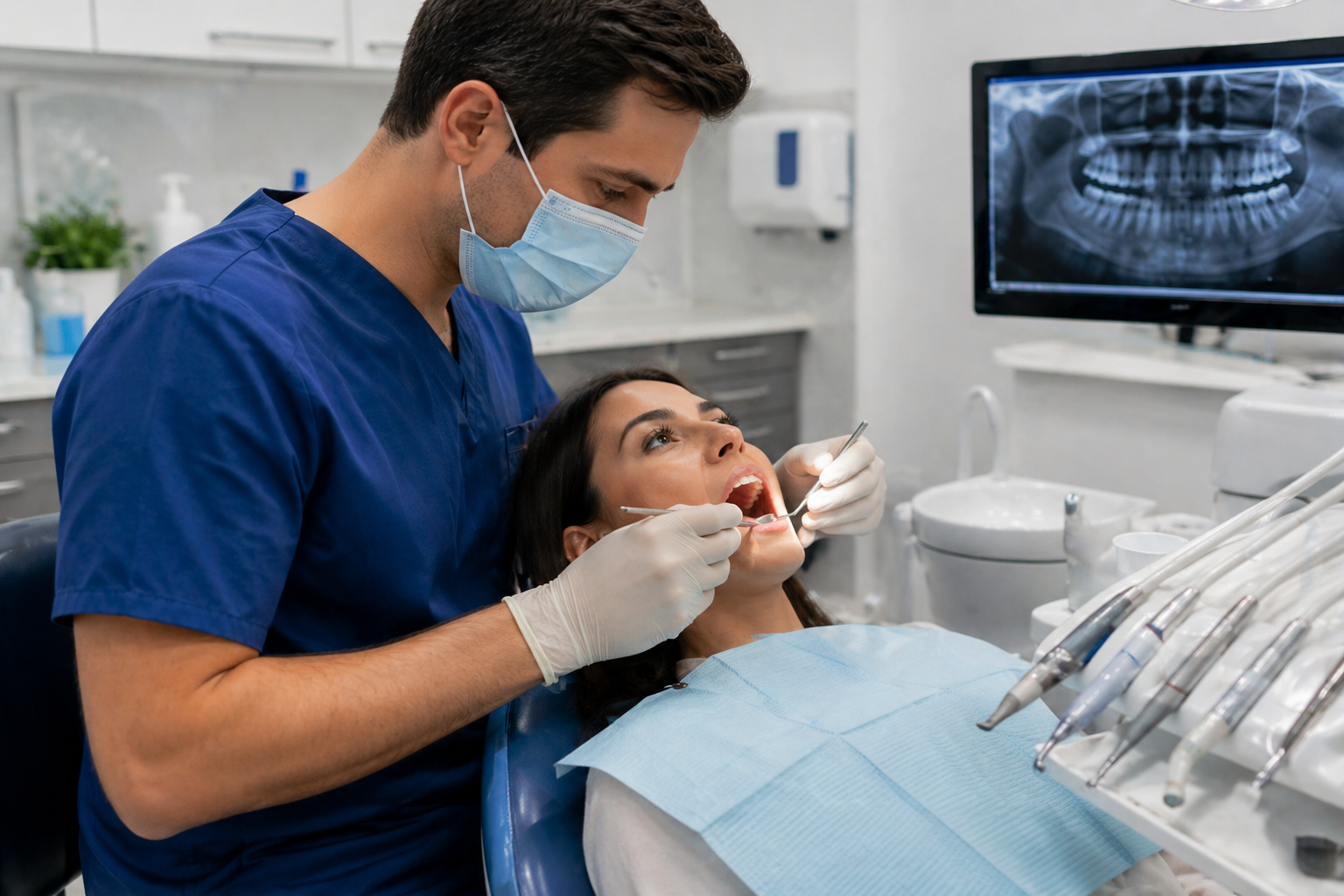
Modern endodontic techniques have transformed this procedure into a comfortable, predictable experience. The clinical workflow follows a precise sequence designed to eliminate infection while prioritizing patient comfort.
Follow this step-by-step root canal procedure guide to understand exactly how each clinical phase eliminates infection and preserves your natural tooth.
Phase | Clinical Process | Patient Benefit |
Comprehensive Diagnosis | Digital X rays and clinical tests identify infection extent and root anatomy | Ensures accurate treatment planning and prevents unexpected complications |
Local Anesthesia Administration | The treatment area is completely numbed using modern anesthetic agents | Guarantees a pain free experience throughout the entire procedure |
Isolation and Access | A protective rubber dam is placed, and a small opening is created in the tooth crown | Keeps the field sterile, dry, and free from saliva contamination |
Pulp Removal and Cleaning | Specialized rotary instruments remove infected tissue and disinfect the canals | Eliminates bacteria, halts infection, and prepares the space for sealing |
Shaping and Irrigation | Canals are gently shaped and flushed with antimicrobial solutions | Removes debris, reduces reinfection risk, and ensures precise filling |
Filling and Sealing | Gutta percha material and biocompatible cement permanently seal the canals | Creates an airtight barrier that prevents future bacterial entry |
Final Restoration | A permanent filling or custom crown is placed over the treated tooth | Restores chewing function, structural integrity, and natural appearance |
Most cases follow this exact sequence. Your dental team will adjust the approach based on your specific anatomy and infection severity, always keeping you informed before each step.
The fear of pain is the most common reason patients delay necessary care. This anxiety stems from outdated techniques and historical practices that are no longer used in contemporary dentistry. Today, a painless root canal treatment is the standard of care.
Modern protocols prioritize comfort through multiple layers of protection:
Most patients report feeling immediate relief once the infected pulp is removed, as the primary source of their discomfort is eliminated. Clinics offering painless root canal treatment utilize magnification tools, digital imaging, and gentle communication to further reduce anxiety and ensure a calm, controlled environment.
Treatment duration varies based on tooth anatomy, infection severity, and the number of canals requiring attention. Understanding realistic timeframes helps you plan your schedule and set appropriate expectations.
Front teeth typically contain one straightforward canal. Treatment usually takes 30 to 60 minutes in a single appointment. Premolars often feature one or two canals with moderate curvature. The procedure generally requires 45 to 75 minutes. Molars contain three or four complex, branching canals located at the back of the mouth. Treatment may take 60 to 90 minutes or longer.
Single visit completion is possible when the infection is contained, the anatomy is straightforward, and the patient responds well to anesthesia. Multiple visits become necessary when severe infection, calcified canals, or structural damage requires interim medication placement to ensure complete healing before final sealing. Your dental provider will provide a clear timeline after the initial examination and imaging.
Financial clarity is essential when planning dental care. Pricing structures reflect clinical complexity, technology standards, and restoration requirements rather than arbitrary clinic fees.
The cost of root canal treatment in India varies based on tooth type, complexity, and technology used.
Tooth Category | Standard Procedure Cost | Advanced Technology Cost | Clinical Considerations |
Front Teeth (Incisors/Canines) | ₹3,500 to ₹6,500 | ₹5,500 to ₹8,500 | Single root, direct access, shorter chair time |
Premolars | ₹4,500 to ₹7,500 | ₹6,500 to ₹9,500 | One or two canals, moderate anatomical complexity |
Molars (Back Teeth) | ₹6,000 to ₹9,500 | ₹8,500 to ₹12,500 | Three or four canals, curved anatomy, longer procedure |
Single Sitting Option | ₹4,500 to ₹9,000 | ₹7,500 to ₹12,000 | Ideal for patients requiring quick completion and minimal appointments |
Post Procedure Crown | ₹2,000 to ₹25,000+ | Varies by material and warranty | Protects the weakened tooth and restores full chewing function |
These ranges reflect typical market pricing for root canal treatments. Your final investment will be confirmed after clinical evaluation, diagnostic imaging, and a personalized treatment discussion.
Review this crown material comparison to select the most durable and aesthetically pleasing restoration following your root canal procedure.
Crown Material | Durability | Aesthetic Quality | Typical Price Range |
Metal Alloy | Highest strength, longest lifespan | Visible metallic appearance | ₹2,000 to ₹5,000 |
Porcelain Fused to Metal | Excellent durability with tooth like color | Natural appearance with slight opacity at gum line | ₹4,000 to ₹10,000 |
Full Zirconia | Exceptional strength and fracture resistance | Highly translucent, mimics natural enamel | ₹8,000 to ₹25,000+ |
Your dentist will recommend the most appropriate option based on tooth position, bite forces, and your cosmetic preferences.
Several clinical and logistical variables determine the final price of your procedure. Understanding these elements helps you evaluate treatment plans with confidence and avoid unexpected charges.
Front teeth generally have simple, straight canals that are easier to access and clean. Molars contain multiple canals with complex curves and branches, requiring more time, specialized instruments, and advanced imaging.
Active abscesses, extensive decay, or retreated root canals demand additional disinfection steps, antimicrobial medication placement, and sometimes surgical intervention. These factors increase clinical time and material usage.
Clinics utilizing digital radiography, cone beam CT scanning, rotary endodontic systems, and dental operating microscopes typically charge more due to equipment maintenance and training costs. These tools significantly improve accuracy, reduce procedure time, and increase long term success rates.
The root canal procedure addresses internal infection, but the external tooth structure requires protection. Crown material selection, laboratory fees, and warranty periods directly impact the total root canal treatment cost.
Facilities maintaining hospital grade sterilization, single use instrument protocols, and dedicated endodontic zones invest heavily in patient safety. These standards reduce cross contamination risk and contribute to predictable, complication free outcomes.
Proper post procedure care directly influences healing speed and long term tooth survival. Following these guidelines ensures optimal recovery and minimizes discomfort.
Avoid chewing on the treated side until permanent restoration is placed. Stick to soft foods and room temperature beverages. Take prescribed medications exactly as directed to manage inflammation and prevent infection.
Maintain gentle brushing and flossing around the treatment area. Rinse with warm salt water twice daily if recommended by your dentist. Mild tenderness during biting is normal as surrounding tissues heal, but severe or worsening pain should be reported immediately.
Attend your follow up appointment for permanent crown placement or final restoration. Continue regular six month checkups and professional cleanings to monitor the treated tooth and overall oral health. Avoid using your teeth to open packages or bite hard objects like ice or pens.
Contact your dental provider if you experience swelling that increases after 48 hours, fever, allergic reactions to medication, or a temporary filling that falls out before your next visit.
Deciding to proceed with root canal treatment is a proactive step toward lasting oral health and pain-free living. Understanding the procedure steps, recognizing early warning signs, and reviewing transparent pricing empowers you to make informed decisions without unnecessary anxiety. Modern endodontic care prioritizes patient comfort, clinical precision, and long term tooth preservation, making this treatment a reliable alternative to extraction. By partnering with an experienced dental team that communicates clearly and follows strict sterilization standards, you can restore your smile with confidence. Prioritizing timely care not only eliminates discomfort but also protects your overall dental health for years to come.
Selecting the right provider directly impacts your comfort, clinical outcome, and long term oral health. Vichare Dental Clinic has established a strong reputation for delivering precise, comfortable, and transparent endodontic care to patients across Old Panvel, New Panvel, and surrounding communities. Located on Chatrapati Shivaji Maharaj Marg, the clinic combines advanced diagnostic imaging, modern rotary instrumentation, and strict sterilization protocols to ensure predictable results in every case.
Patients seeking painless root canal treatment in panvel consistently choose Vichare Dental Clinic for its patient centered approach, clear treatment explanations, and upfront pricing with no hidden charges. The clinical team takes time to evaluate each case thoroughly, discuss all restoration options, and provide detailed aftercare guidance. With extended operating hours from 10 AM to 9 PM, Monday through Saturday, scheduling a consultation fits seamlessly into even the busiest routines.
For personalized evaluation, transparent cost estimates, and expert care focused on saving your natural teeth, contact Vichare Dental Clinic today at +91 94220 26725 or +91 99220 31747. You can also reach out via email at vicharedentalclinic@gmail.com or visit the clinic at Chatrapati Shivaji Maharaj Marg, Old Panvel, Navi Mumbai, 410206. Your journey to lasting dental health begins with informed decisions and trusted clinical expertise. Make the right choice with confidence.
What is root canal treatment?
Root canal treatment is a dental procedure that removes infected or inflamed pulp from inside a tooth, cleans and seals the canals, and saves the natural tooth from extraction.
When do you need a root canal treatment?
You need root canal treatment when deep decay, trauma, or infection reaches the tooth pulp, causing persistent pain, sensitivity, swelling, or visible tooth darkening.
Is root canal treatment painful?
No, modern root canal treatment is typically painless due to effective local anesthesia and gentle techniques, with most patients experiencing immediate relief after the infected pulp is removed.
How is a root canal procedure done step by step?
The dentist numbs the area, isolates the tooth, removes infected pulp, cleans and shapes the canals, fills them with biocompatible material, and seals the tooth with a filling or crown.
How many sittings are required for root canal treatment?
Most root canal treatments are completed in one or two sittings, depending on infection severity, tooth anatomy, and whether additional disinfection or restoration steps are needed.
How long does a root canal treatment take?
A standard root canal procedure takes 30 to 90 minutes per appointment, with front teeth requiring less time and molars needing longer due to complex root anatomy.
What is the cost of root canal treatment in India?
Root canal treatment cost in India typically ranges from ₹3,000 to ₹12,000 per tooth, varying by tooth location, procedure complexity, technology used, and crown material selection.
Is root canal treatment safe and effective?
Yes, root canal treatment is a safe, highly effective procedure with success rates exceeding 95% when performed by qualified dentists using modern sterilization and diagnostic protocols.
What are the signs that you may need a root canal?
Signs include severe tooth pain when chewing, prolonged sensitivity to hot or cold, gum swelling near a tooth, tooth discoloration, or a pimple-like bump on the gum line.
What should you expect after a root canal treatment?
After treatment, expect mild tenderness for a few days, avoid chewing on the treated tooth until restored, follow prescribed aftercare instructions, and attend follow-up appointments for permanent crown placement.

Copyright © 2026 Vichare Dental Clinic Panvel | All rights reserved
SEO & Management by DigiTeach Advertising Agency | Website Developed by Web Creators India